

Inflammatory Bowel Disease: Symptoms, Diagnosis and Ongoing Care
Inflammatory bowel disease, or IBD, describes conditions that cause ongoing inflammation in the digestive tract. Crohn’s disease and ulcerative colitis are two main types. Both can affect bowel habits, comfort and daily life, but they require an assessment and care plan suited to the individual.
Persistent digestive symptoms should not be dismissed as something you simply have to live with. Understanding the diagnosis is the first step towards appropriate treatment and follow-up.
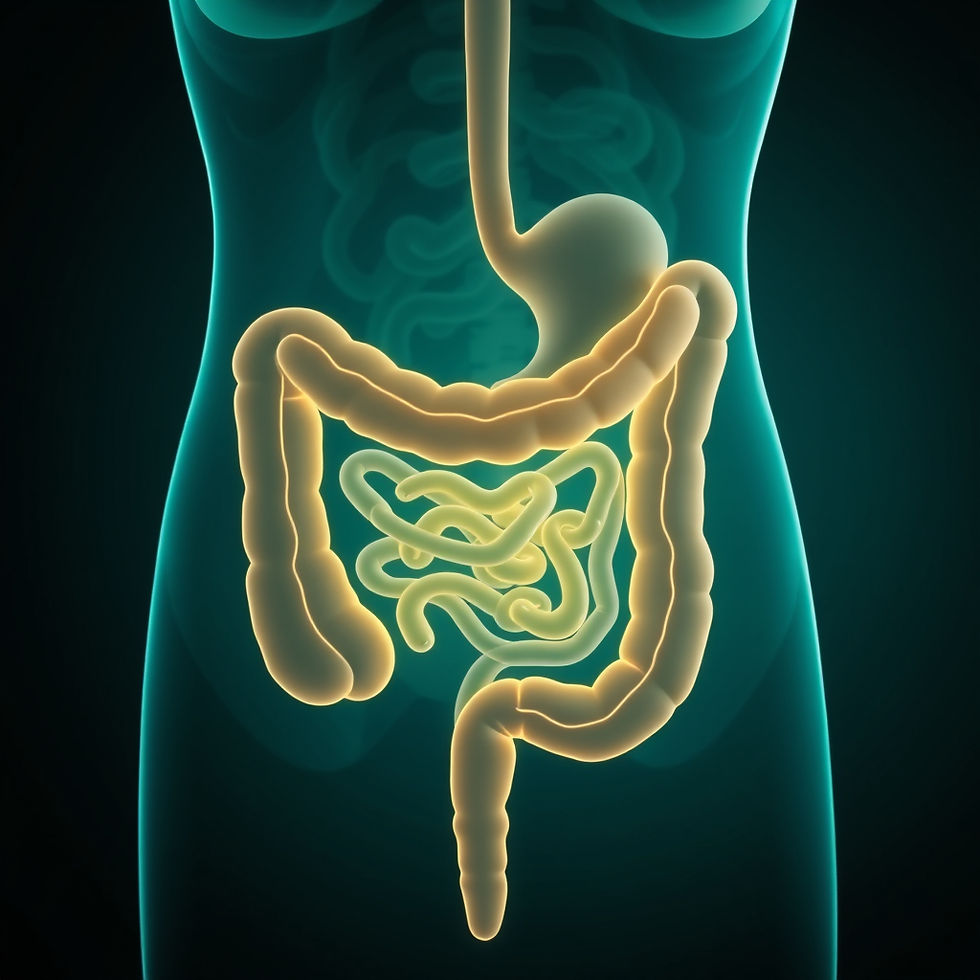
Understanding Inflammatory Bowel Disease
Crohn’s Disease
Crohn’s disease can affect different parts of the digestive tract, from the mouth to the anus. It commonly affects the small intestine and the beginning of the large intestine. Its symptoms and severity differ between people.
Ulcerative Colitis
Ulcerative colitis causes inflammation and ulcers in the lining of the large intestine. Symptoms may begin gradually or suddenly. People can experience active periods, known as flares, followed by periods of remission.
IBD and IBS: Why the Difference Matters
Inflammatory bowel disease is different from irritable bowel syndrome, or IBS, although some symptoms overlap. A familiar label such as IBS should not be assumed when symptoms change or additional concerns arise.
Our existing IBS article explores that condition separately. A clinician can assess whether further investigations are needed before deciding on a diagnosis or management plan.
Symptoms That May Need Assessment
IBD symptoms vary with the part of the bowel affected and the degree of inflammation. Possible symptoms include:
Persistent diarrhoea.
Abdominal pain or cramping.
Blood or mucus in the stool.
Unintentional weight loss.
Ongoing tiredness or reduced appetite.
These symptoms are not specific to IBD. Infection and other conditions can also affect bowel habits. Report the duration and pattern of your symptoms rather than trying to determine the cause yourself.
How Is IBD Diagnosed?
A doctor reviews symptoms, medical history and family history, and carries out an examination. Diagnosis may involve blood tests, stool tests and endoscopy, depending on the suspected condition.
Crohn’s disease generally requires a combination of investigations. Testing helps establish whether inflammation is present, where it is located and whether another explanation for the symptoms needs consideration.
Current Management Approaches
1. Controlling Inflammation
Treatment aims to control inflammation, reduce flares and maintain remission. Medicines are chosen according to the type and severity of the disease and the person's circumstances.
For ulcerative colitis, options may include aminosalicylates, corticosteroids, immunosuppressants or biologic medicines. These are not interchangeable self-treatment options. The treating clinician explains why a medicine is selected and what monitoring is required.
2. Specialist Follow-Up
Symptoms improving does not automatically mean treatment should stop. Follow the plan agreed with your gastroenterologist or treating doctor, and ask how disease activity will be reviewed. Some people require surgery when medicines do not adequately control the condition or complications occur.
3. Nutrition and Support
Crohn’s disease can affect nutrition through reduced food intake or difficulties absorbing nutrients. Treatment and surgery may also influence nutritional needs. Ulcerative colitis can reduce appetite and make adequate intake harder during symptomatic periods.
Discuss eating concerns with the treating team. A food diary can help explain your experience, but unnecessary restrictions may make an already difficult routine more complicated. Supplements should be discussed with a clinician rather than assumed to be suitable.

Preparing for a Medical Consultation
Record changes in bowel frequency and the duration of symptoms.
Note blood or mucus, appetite changes and weight changes.
Bring your medication list and previous investigation results.
Explain how symptoms affect meals, work and daily activities.
Ask who will review your results, how follow-up will be arranged and what to do if symptoms become worse. A written plan can make these decisions clearer.
When to Seek Urgent Help
Severe abdominal pain, continuous rectal bleeding, a large amount of blood in the stool or vomiting blood require urgent medical attention. Seek emergency care rather than waiting for a routine appointment.
Coordinating Your Care
Ongoing bowel symptoms should be assessed by your doctor or a gastroenterologist. If you are contacting Durban Neuro Laser Clinic about associated neurological concerns, provide details of your bowel diagnosis and existing treating team.
Any supplementary treatment should be discussed in the context of your established IBD care. Do not replace prescribed treatment with a supplement or wellness programme without speaking to your treating clinician.
References
This article provides general information and does not replace an individual medical assessment.
Comments